


Home detection of contagious and transmissible respiratory infections using an artificial intelligence-based cough monitor.
During the COVID-19 pandemic, the global health system faced an unprecedented challenge: an avalanche of suspected cases of respiratory diseases, which overwhelmed hospitals and medical services. The overlap of symptoms between different respiratory infections further complicated the diagnosis, making it difficult for health professionals to quickly classify and treat patients. In this context, there is an urgent need for innovative and accessible tools that optimize disease triage.
ABOUT THE PROJECT
Our proposal introduces an artificial intelligence (AI)-based solution for cough monitoring, a technology that has the potential to revolutionize the detection of infectious respiratory diseases such as tuberculosis, COVID-19, influenza A and/or B, and RSV. The key question of our research is whether these AI tools, which capture and analyze cough patterns in real time, can improve the accuracy and speed of case identification. We strongly believe that AI tools will not only accelerate case detection but will also contribute to earlier and more accurate initiation of treatment, decreasing the spread of disease. AI's ability to analyze large volumes of data in fractions of a second may be the key to transforming how we manage future epidemics.
Situation in Peru
-
Tuberculosis (TB) is an infectious respiratory disease caused by the bacillus Mycobacterium tuberculosis (Mtb). In 2022, approximately 16,000 cases were estimated nationwide.
-
Coronavirus disease (COVID-19) is an infection caused by SARS-CoV-2, which is potentially fatal but preventable through vaccination. Cases of COVID-19 are still occurring in Peru. In 2023, around 10,000 confirmed cases were detected in the Lima Centro Health Network alone.
-
Influenza, caused by influenza A and/or B viruses, as well as respiratory syncytial virus (RSV), increases its number of cases in winter and is reported in Peru as part of acute respiratory infections (ARI).
1.
RECOPILAR
y sintetizar evidencia, los datos y los métodos existentes sobre atribución del impacto climático en salud.
2.
REALIZAR
análisis novedosos mediante estudios de caso que permitan abordar preguntas metodológicas complejas y aún no resueltas.
3.
DISEÑAR
recursos digitales accesibles, didácticos y fáciles de usar mediante un proceso de coproducción con investigadores, comunidades, autoridades sanitarias y tomadores de decisiones.

Duration and Population of the Study
The study lasts 4 years.
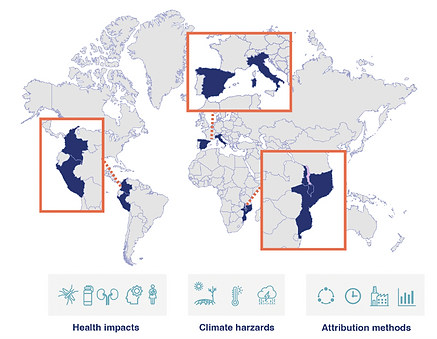
The target population for Phase I of the study will be people who receive care in primary care facilities in the district of San Juan de Lurigancho (SJL) and in the Huaycán Hospital in the district of Ate, in Lima, Peru.
The target population for Phase I of the study will be people who receive care in primary care facilities in the district of San Juan de Lurigancho (SJL) and in the Huaycán Hospital in the district of Ate, in Lima, Peru.
The target population for Phase I of the study will be people who receive care in primary care facilities in the district of San Juan de Lurigancho (SJL) and in the Huaycán Hospital in the district of Ate, in Lima, Peru.
During the COVID-19 pandemic, the global health system faced an unprecedented challenge: an avalanche of suspected cases of respiratory diseases, which overwhelmed hospitals and medical services. The overlap of symptoms between different respiratory infections further complicated the diagnosis, making it difficult for health professionals to quickly classify and treat patients. In this context, there is an urgent need for innovative and accessible tools that optimize disease triage.
Home detection of contagious and transmissible respiratory infections using an artificial intelligence-based cough monitor.
The target population for Phase II of the study will mainly be the participants selected in Phase I of the study, which include household contacts diagnosed with Tuberculosis, COVID-19, Influenza A, Influenza B or RSV, from health facilities in the district of San Juan de Lurigancho in Lima, Peru.
Home detection of contagious and transmissible respiratory infections using an artificial intelligence-based cough monitor.
The target population for Phase II of the study will mainly be the participants selected in Phase I of the study, which include household contacts diagnosed with Tuberculosis, COVID-19, Influenza A, Influenza B or RSV, from health facilities in the district of San Juan de Lurigancho in Lima, Peru.
Home detection of contagious and transmissible respiratory infections using an artificial intelligence-based cough monitor.
The target population for Phase II of the study will mainly be the participants selected in Phase I of the study, which include household contacts diagnosed with Tuberculosis, COVID-19, Influenza A, Influenza B or RSV, from health facilities in the district of San Juan de Lurigancho in Lima, Peru.
Home detection of contagious and transmissible respiratory infections using an artificial intelligence-based cough monitor.
The target population for Phase II of the study will mainly be the participants selected in Phase I of the study, which include household contacts diagnosed with Tuberculosis, COVID-19, Influenza A, Influenza B or RSV, from health facilities in the district of San Juan de Lurigancho in Lima, Peru.
Home detection of contagious and transmissible respiratory infections using an artificial intelligence-based cough monitor.
The target population for Phase II of the study will mainly be the participants selected in Phase I of the study, which include household contacts diagnosed with Tuberculosis, COVID-19, Influenza A, Influenza B or RSV, from health facilities in the district of San Juan de Lurigancho in Lima, Peru.

Duration and Population of the Study
The study lasts 4 years.
The study lasts 4 years.
The study lasts 4 years.
The study lasts 4 years.
Situation in Peru
-
Tuberculosis (TB) is an infectious respiratory disease caused by the bacillus Mycobacterium tuberculosis (Mtb). In 2022, approximately 16,000 cases were estimated nationwide.
-
Coronavirus disease (COVID-19) is an infection caused by SARS-CoV-2, which is potentially fatal but preventable through vaccination. Cases of COVID-19 are still occurring in Peru. In 2023, around 10,000 confirmed cases were detected in the Lima Centro Health Network alone.
-
Influenza, caused by influenza A and/or B viruses, as well as respiratory syncytial virus (RSV), increases its number of cases in winter and is reported in Peru as part of acute respiratory infections (ARI).
Situation in Peru

-
Tuberculosis (TB) is an infectious respiratory disease caused by the bacillus Mycobacterium tuberculosis (Mtb). In 2022, approximately 16,000 cases were estimated nationwide.
-
Coronavirus disease (COVID-19) is an infection caused by SARS-CoV-2, which is potentially fatal but preventable through vaccination. Cases of COVID-19 are still occurring in Peru. In 2023, around 10,000 confirmed cases were detected in the Lima Centro Health Network alone.
-
Influenza, caused by influenza A and/or B viruses, as well as respiratory syncytial virus (RSV), increases its number of cases in winter and is reported in Peru as part of acute respiratory infections (ARI).
Situation in Peru

-
Tuberculosis (TB) is an infectious respiratory disease caused by the bacillus Mycobacterium tuberculosis (Mtb). In 2022, approximately 16,000 cases were estimated nationwide.
-
Coronavirus disease (COVID-19) is an infection caused by SARS-CoV-2, which is potentially fatal but preventable through vaccination. Cases of COVID-19 are still occurring in Peru. In 2023, around 10,000 confirmed cases were detected in the Lima Centro Health Network alone.
-
Influenza, caused by influenza A and/or B viruses, as well as respiratory syncytial virus (RSV), increases its number of cases in winter and is reported in Peru as part of acute respiratory infections (ARI).
Situation in Peru

-
Tuberculosis (TB) is an infectious respiratory disease caused by the bacillus Mycobacterium tuberculosis (Mtb). In 2022, approximately 16,000 cases were estimated nationwide.
-
Coronavirus disease (COVID-19) is an infection caused by SARS-CoV-2, which is potentially fatal but preventable through vaccination. Cases of COVID-19 are still occurring in Peru. In 2023, around 10,000 confirmed cases were detected in the Lima Centro Health Network alone.
-
Influenza, caused by influenza A and/or B viruses, as well as respiratory syncytial virus (RSV), increases its number of cases in winter and is reported in Peru as part of acute respiratory infections (ARI).
Situation in Peru

-
Tuberculosis (TB) is an infectious respiratory disease caused by the bacillus Mycobacterium tuberculosis (Mtb). In 2022, approximately 16,000 cases were estimated nationwide.
-
Coronavirus disease (COVID-19) is an infection caused by SARS-CoV-2, which is potentially fatal but preventable through vaccination. Cases of COVID-19 are still occurring in Peru. In 2023, around 10,000 confirmed cases were detected in the Lima Centro Health Network alone.
-
Influenza, caused by influenza A and/or B viruses, as well as respiratory syncytial virus (RSV), increases its number of cases in winter and is reported in Peru as part of acute respiratory infections (ARI).

Situation in Peru
-
Tuberculosis (TB) is an infectious respiratory disease caused by the bacillus Mycobacterium tuberculosis (Mtb). In 2022, approximately 16,000 cases were estimated nationwide.
-
Coronavirus disease (COVID-19) is an infection caused by SARS-CoV-2, which is potentially fatal but preventable through vaccination. Cases of COVID-19 are still occurring in Peru. In 2023, around 10,000 confirmed cases were detected in the Lima Centro Health Network alone.
-
Influenza, caused by influenza A and/or B viruses, as well as respiratory syncytial virus (RSV), increases its number of cases in winter and is reported in Peru as part of acute respiratory infections (ARI).
Our proposal introduces an artificial intelligence (AI)-based solution for cough monitoring, a technology that has the potential to revolutionize the detection of infectious respiratory diseases such as tuberculosis, COVID-19, influenza A and/or B, and RSV. The key question of our research is whether these AI tools, which capture and analyze cough patterns in real time, can improve the accuracy and speed of case identification. We strongly believe that AI tools will not only accelerate case detection but will also contribute to earlier and more accurate initiation of treatment, decreasing the spread of disease. AI's ability to analyze large volumes of data in fractions of a second may be the key to transforming how we manage future epidemics.
Situation in Peru
Our proposal introduces an artificial intelligence (AI)-based solution for cough monitoring, a technology that has the potential to revolutionize the detection of infectious respiratory diseases such as tuberculosis, COVID-19, influenza A and/or B, and RSV. The key question of our research is whether these AI tools, which capture and analyze cough patterns in real time, can improve the accuracy and speed of case identification. We strongly believe that AI tools will not only accelerate case detection but will also contribute to earlier and more accurate initiation of treatment, decreasing the spread of disease. AI's ability to analyze large volumes of data in fractions of a second may be the key to transforming how we manage future epidemics.
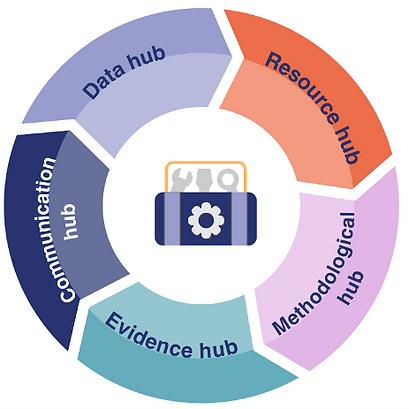
El proyecto tendrá una duración de tres años. Durante los primeros seis meses se recogerán aportes de actores clave y comunidades para definir los estudios de caso. Al mes 12 se implementará la revisión sistemática viva. Al mes 24 se completará la auditoría inicial de datos y algunos análisis de estudios de caso. Al mes 30 se finalizarán los materiales metodológicos. Al mes 36 se espera contar con la plataforma TACTIC completamente implementada y validada.
Home detection of contagious and transmissible respiratory infections using an artificial intelligence-based cough monitor.
During the COVID-19 pandemic, the global health system faced an unprecedented challenge: an avalanche of suspected cases of respiratory diseases, which overwhelmed hospitals and medical services. The overlap of symptoms between different respiratory infections further complicated the diagnosis, making it difficult for health professionals to quickly classify and treat patients. In this context, there is an urgent need for innovative and accessible tools that optimize disease triage.